Low disability funding makes nonprofit work a challenge
Good news: It doesn’t have to be that way because accessibility is part of everything
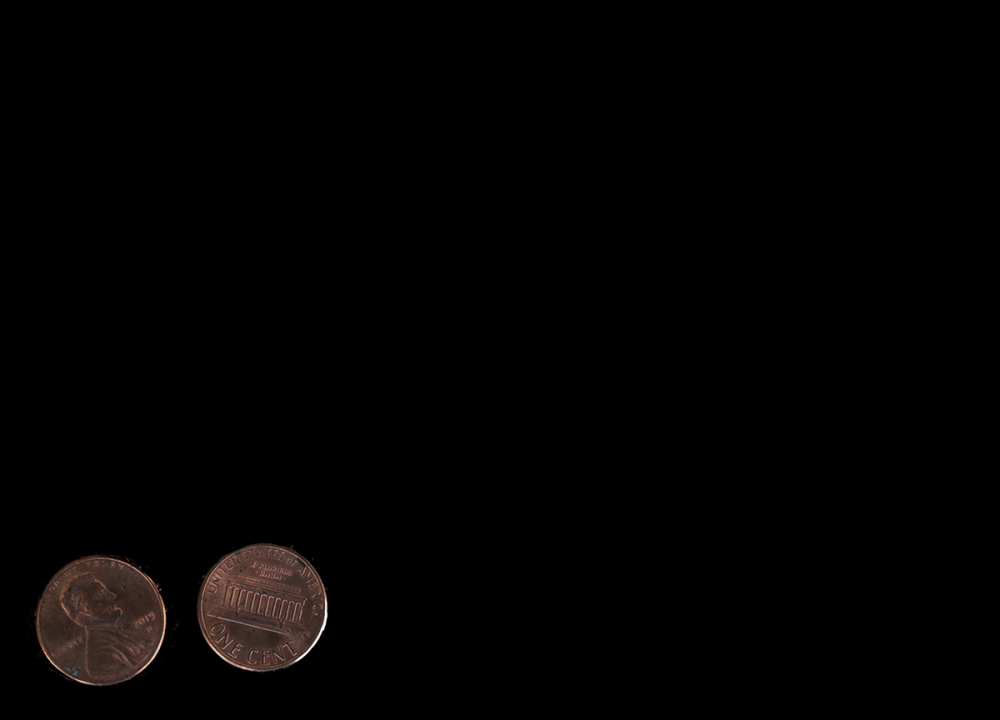
Disability’s 2 cents
- Only 2% of funding supports disability, and most is for services and supports.
- 1/10 of 1% of funding supports disability rights and social justice.
- Only 10 funders give 84% of disability rights and social justice grant dollars.
- 90% of disability funding is focused on the United States.
- Human services and health are the top priorities.
- Few grants focus on intersecting systems of oppression or overlapping identities.
Disability and Philanthropy Forum Foundation for Giving, 2023
Opinion by
Disability gets about two cents of every philanthropic dollar, according to a the Disability and Philanthropy Forum citing data from Candid.
I keep coming back to that statistic because it explains so much.
When disability organizations struggle to find funding, people often assume it’s because there aren’t enough good ideas or enough need. The reality is much simpler: disability is still treated as a niche issue. But it isn’t.
If you’re funding education, workforce development, healthcare, journalism, housing, or economic mobility, you’re already serving disabled people. The question isn’t whether disability belongs in your work. It’s whether accessibility is part of how you’re approaching it.
I think that’s especially important for journalism. We talk a lot about informing the public and reaching broad audiences, but accessibility is still too often seen as an extra cost instead of a core part of the work. Captions, accessible websites, ASL interpretation, plain language, and accessible digital content are not optional features. They are what allow millions of people to fully participate.
The good news is that funders don’t have to create entirely new funding priorities to make a meaningful difference. Sometimes it starts simply recognizing that disability isn’t separate from the work you’re already supporting.
Accessibility is not about serving a small group of people. It’s about making the work you’re already investing in reach everyone it’s intended to reach. When we stop thinking of disability as a separate issue and start recognizing it as something that touches every community, we build programs, stories, and systems that work better for everyone.
Griffen Stapp is the executive director of Ability Central and the California Communications Access Foundation (CCAF). He has more than 20 years of experience in finance, operations, and organizational strategy across nonprofit, healthcare, biomedical, and technology-focused organizations. His background includes executive leadership, operational consulting, and organizational management across multiple industries. He has served on nonprofit boards for more than 20 years in disability services and has taught college-level courses for over 10 years.
He holds a Master of Business Administration from California State University San Marcos and completed graduate studies through the University of Southern California. He is a former CPA from Washington State.
Stapp joined the Ability Central Board of Directors in 2021 before stepping into executive leadership during the organization’s transition in 2025. Follow Stapp on LinkedIn.
This in an opinion. While this piece contains factual information, it is the author’s point of view.
Help keep The Word free to all
The Word is the only magazine focused on accessibility in the journalism industry.
Our publishing organization, the Organization for Accessible Journalism, made a promise from day one that content like this would always be free and never hidden behind paywalls because information is education for the public.
Whether you’re a reporter, editor, an accessibility professional, or a member of the public who happens to be interested in journalism or accessibility, we need your help to keep publishing.
Help The Word by using the donation box below.