|
|
It's time for me to pull back the curtain on how the June edition of The Word was written and reported — the etymology of our monthly magazine.
|
First, a quick word on why we make The Word. Every month, a group of dedicated reporters and writers look for stories about accessibility in the news industry and create a small-but-mighty magazine. We focuses on the intersection of journalism and accessibility because it's important to shine a light on the successes — and yes, the failures, too — in our industry.
|
We make it free to read to anyone and everyone, even though we know our main audience is fellow travelers in this thing we call journalism.
|
We don't take money from advertisers. We continue to apply for grants and ask for business sponsors — even in a time when accessibility and journalism are both suffering from disinvestment.
|
But our main funding comes from you.
|
|
That's why we ask our readers to support us by subscribing to this newsletter, sharing our articles, and making a monthly donation of $5. Reader support is the way we keep going. In fact, it's the only way we keep going.
|
|
|
|
|
|
|
|
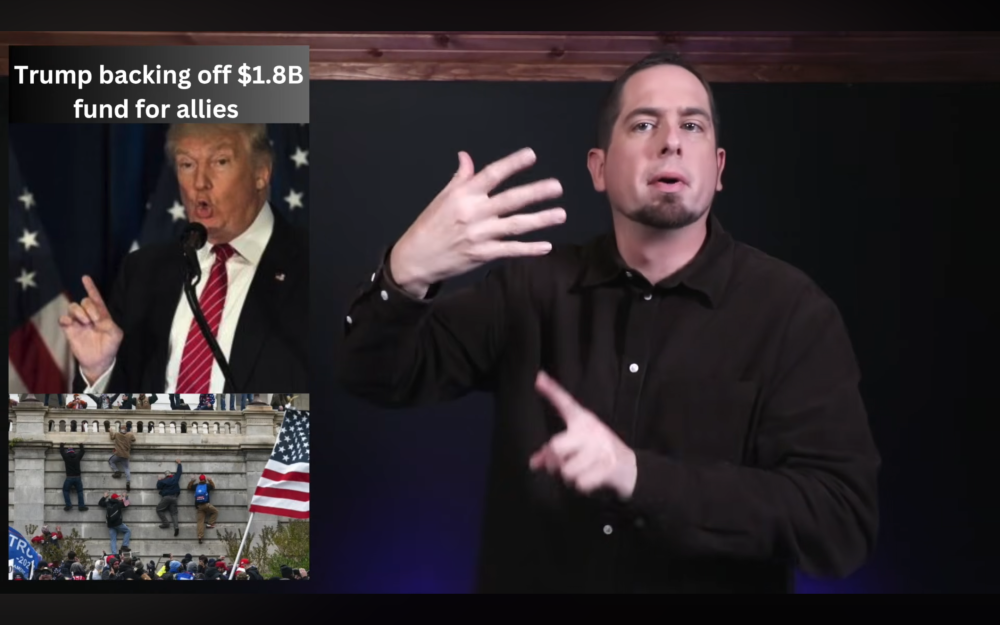
Founder and host of The Daily Moth Alex Abenchuchan signs about news in American Sign Language. Reporters also conduct interviews in ASL.
|
|
|
|
For years I've been talking about the need to add American Sign Language (ASL) to the news. I harp on it. A lot. Some estimates place the number of people whose primary language is ASL at about 1 million.
|
So when reporter Jason Collins brought me a story about an ASL-first news outlet, I was over the moon.
|
Apparently, Jason had been thinking about this too.
|
"This has been a question nagging at my mind for some time," he said. "Most news platforms don't do as good a job as they may think when it comes to providing accessible news, so where do people with hearing or vision disabilities go? That led me to explore news platforms like The Daily Moth that provide ASL news coverage for major stories and community-focused news."
|
|
Jason profiled the founder Alex Abenchuchan and the news outlet and said he learned about the platform, what it's like to produce news in ASL, more about captions, and a vision for the future of news in ASL.
|
|
|
|
Reporter Beth McCowen picked up a press release sent out by The Word's publisher, Equal Access Public Media about EAPM changing its name.
|
This put me in an awkward position. First, Beth turned the tables on me, a long-time journalist and editor. We sat down over Zoom so she could interview me. I've been interviewed a handful of times, but like a young, Australian Terry Gross, Beth got me thinking deeply about EAPM, my roles with the organization, my work with accessibility, and who I am.
|
"I think the best questions come from trying to understand the 'why' underneath a decision, not just the decision itself," she told me.
|
I thought it was a simple business story. Beth had a different take.
|
"On paper this was a story about a nonprofit changing its name, but I'm more interested in the deeper questions around identity, communication, and how organizations evolve as they become more clear about the work they want to do — and how they want to be understood," she said.
|
Then, as if being on the — ehem — wrong end of a microphone wasn't enough, I had to step out of the editor role due to an obvious conflict of interest. I can't be both editor and interviewee. Plus, the article is about the publisher of The Word, so I tapped colleague, friend, and fellow nonprofit founder Evan Urquhart, editor of Assigned Media, to step in and edit the article.
|
I asked Evan what it's like taking off the trans daily news editor hat and putting on the accessible journalism monthly magazine editor hat.
|
|
He dryly replied, "My hat is the same as ever."
|
|
|
|
|
|
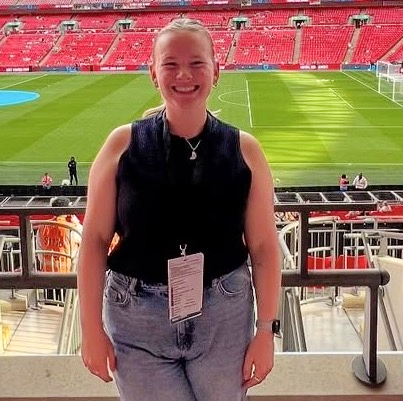
Reporter Beth McCowen, probably getting ready to ask tough questions.
|
|
|
|
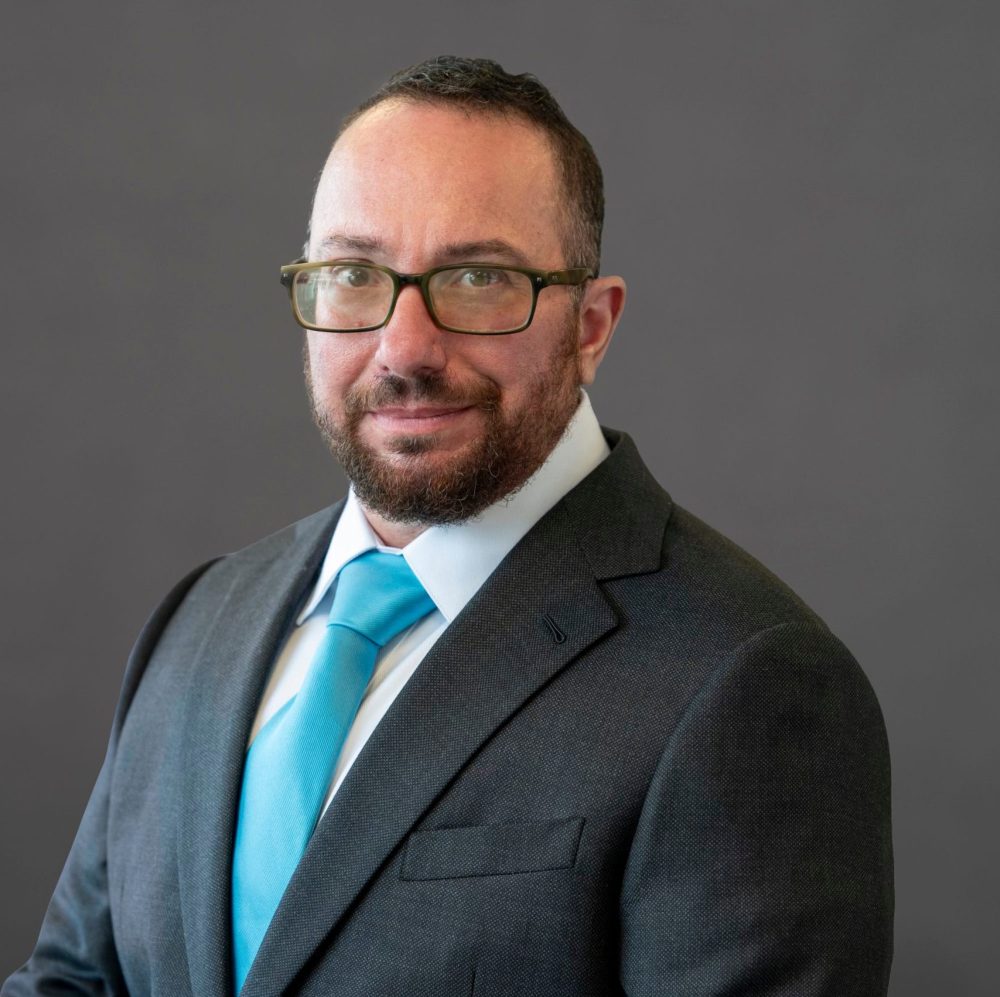
Assigned Media founder and editor Evan Urquhart, pictured here without a hat.
|
|
|
|
|
|
Columnist Akinyele Michael wanted to turn the lens of Global Accessibility Awareness Day (GAAD) on the accessibility of the journalism industry on across the African continent for this issue.
|
GAAD was May 20, and Michael, who grew up in Nigeria, wanted to localize the issue. Together, we worked on bringing his personal voice into the column — something he's not used to doing.
|
Michael's own experience of the English-dominant journalism industry in a language-diverse continent have shaped the way he writes: simple grammar, structure, and punctuation.
|
And that's where the idea for his column began.
|
"What made me look into news in Africa on Global Accessibility Awareness Day was the fact that African newsrooms have a lot of things to work on when it comes to accessibility — and due to my past experience when relating to news articles," he told me.
|
He brought me a column that painted a picture of people struggling to understand content or even struggling to get content because of uneven internet access. And then there was the high rate of disability — an estimated 40 percent of people across the continent are disabled.
|
|
All my writers and reporters will tell you my favorite saying is "all news is local." Michael proved even accessibility news is local.
|
|
|
|
Last month, Michael brought me a two-part series, "The quiet struggles," on burnout and stress. Today, the second part of his series publishes.
|
In today's column, he gives pointers on handling stress and burnout.
|
Michael doesn't always put himself out there in his columns. He avoids the first-person voice. But the tips he gives are ones he's uses himself.
|
"The tips help most especially when I noticed everything is moving too fast," he said. "It automatically creates a balance on the things I need to do any time I need to rest, or work."
|
|
|
|
Thanks for reading
As always, I hope you enjoyed the journey into our newsroom. I hope you have a wonderful and meaningful Pride Month. And if you need help with writing alt text for all those Pride event photos or making your Pride videos more accessible, feel free to reach out to me.
|
I'll see you next month with the July edition of The Word: etymology.
|
|
|
|
|
|
|
|
|
|
|